
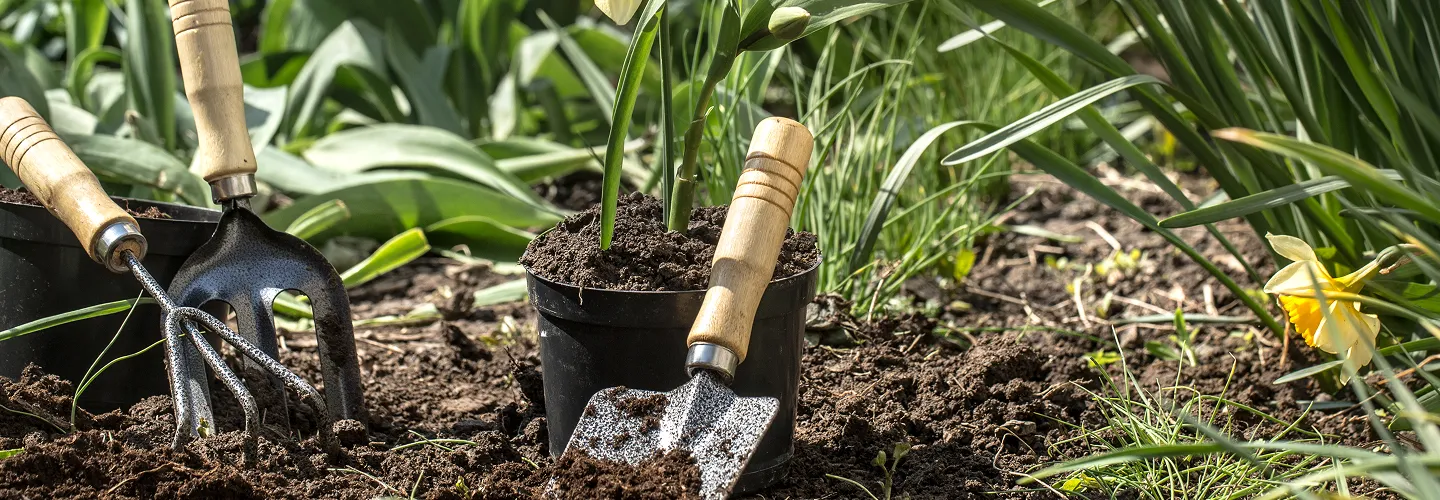
Bradenton Flower Planting Services
Choose our Flower Planting services for expert design, premium plant selection, and lasting beauty that transforms your outdoor space into a colorful, welcoming retreat.
Get a Free QuoteOur Bradenton Landscaping & Yard Care Services
When to Schedule Flower Planting in Bradenton, Florida – Seasonal Guide
Flower planting in Bradenton, Florida, is best scheduled with careful attention to our region’s unique subtropical climate. The optimal planting windows are typically late winter through early spring (February to April) and again in early fall (September to October), when temperatures are moderate and rainfall is more predictable. These periods allow new blooms to establish strong roots before the intense summer heat or occasional winter chills. Neighborhoods like Lakewood Ranch and Palma Sola often see vibrant displays during these times, thanks to well-timed planting and thoughtful selection of flower varieties suited to local conditions.
Bradenton’s proximity to the Gulf means high humidity and sandy soils, which can impact both the choice of flowers and their care routines. It’s important to consider the last expected frost date—usually in late January—as well as the risk of drought during late spring and summer. Areas with dense shade, such as those near Robinson Preserve, may require shade-tolerant species, while open, sun-drenched yards in West Bradenton benefit from heat-loving annuals. For more information on local planting guidelines and municipal considerations, visit the official resource.
Local Factors to Consider for Flower Planting in Bradenton
- Tree density and available sunlight in your yard
- Soil composition (sandy, loamy, or clay)
- Proximity to water sources and drainage patterns
- Seasonal precipitation and drought risk
- Municipal restrictions or neighborhood association guidelines
- Terrain and elevation, especially in flood-prone areas
- Shade coverage from nearby structures or mature trees
Benefits of Flower Planting in Bradenton
Enhanced Curb Appeal
Increased Property Value
Seasonal Color Variety
Expert Plant Selection
Low Maintenance Solutions
Eco-Friendly Landscaping
Bradenton Flower Planting Types

Annual Flower Planting
-
Perennial Flower Beds
-
Native Wildflower Gardens
-
Seasonal Color Rotations
-
Pollinator-Friendly Plantings
-
Shade Garden Flowers
-
Drought-Tolerant Flower Beds
Our Flower Planting Process
Site Evaluation
Soil Preparation
Plant Selection
Careful Planting
Watering and Mulching
Why Choose Bradenton Landscape Services
Bradenton Homeowners Trust Us
-
Expert Lawn Maintenance
-
Reliable Irrigation Solutions
-
Comprehensive Weed Control
-
Seasonal Clean-Up Services
-
Competitive Pricing
-
Professional and Courteous Team
-
Satisfaction Guarantee
Coordinating Flower Planting with Bradenton’s Parks and Urban Landscape Programs
Flower planting in Bradenton often intersects with city-managed greenspaces, medians, and public right-of-way areas. Residents and property managers planning installations near public property or within community common areas should coordinate with the city’s Parks & Recreation Department to ensure plantings align with municipal landscape standards and do not interfere with maintenance or irrigation systems. For projects adjacent to city-maintained areas, it is advisable to verify whether review or notification is required, especially for large-scale or highly visible beds. The city may also provide guidance on species selection for public-facing landscapes to support pollinator habitats and Florida-Friendly Landscaping principles. For private property, coordination is generally not required unless the planting impacts public infrastructure or regulated buffers.
Bradenton FL Parks & Recreation
City Hall, Bradenton, FL
Official Website: Bradenton FL Parks & Recreation(https://cityofbradenton.com/parksrec)
How Bradenton’s Gulf Coast Climate and Soils Shape Flower Planting Choices
Bradenton’s Gulf Coast location brings a humid subtropical climate, with long, hot summers, high humidity, and a pronounced wet season from June through September. These conditions influence flower planting in several ways:
- Sandy and fill-based urban soils are common, leading to rapid drainage and potential nutrient leaching, which can affect plant establishment and ongoing health
- High rainfall during the wet season can cause runoff, especially near swales, canals, and storm drains, making soil stabilization and mulch coverage important
- Salt exposure may be a concern for plantings near coastal or brackish areas, requiring salt-tolerant species selection
- The USDA Plant Hardiness Zone for Bradenton is 10a, supporting a wide range of subtropical and tropical annuals and perennials, but freeze events are rare
- Irrigation is often necessary during the dry season, and reflected heat from pavement can increase water demand for beds near driveways or sidewalks For more on local soils, consult the USDA Web Soil Survey, and for climate-adapted plant choices, refer to the USDA Plant Hardiness Zone Map.
Regulatory Considerations and Environmental Compliance for Flower Planting in Bradenton
While flower planting on private property in Bradenton typically does not require a permit, certain regulatory and environmental considerations apply:
- Installations near public rights-of-way, stormwater features, or within regulated buffers may require review by the city’s Community Development Department
- The city enforces municipal codes to protect neighborhood standards and prevent encroachment or visibility hazards
- Runoff from fertilized or mulched beds must be managed to avoid discharge into storm drains, canals, or lakes, in accordance with Florida DEP’s NPDES Stormwater Program
- Use of pesticides or herbicides in flower beds must comply with FDACS Pesticide Applicator Licensing
- For projects in new developments or commercial sites, verify with the permitting office if landscape plans require formal approval
Bradenton FL Planning & Community Development
City Hall, Bradenton, FL
Official Website: Bradenton FL Planning & Community Development(https://cityofbradenton.com/planning)
Professional Methods and Seasonal Timing for Flower Planting in Bradenton’s Environment
Successful flower planting in Bradenton depends on adapting methods to local climate and site conditions:
- Plant annuals and tender perennials in late winter or early spring to take advantage of the warm, moist growing season
- Use raised beds or amend sandy soils with organic matter to improve water retention and nutrient availability
- Apply mulch at a depth of 2-3 inches to moderate soil temperature, suppress weeds, and reduce runoff
- Select species with proven tolerance to heat, humidity, and periodic heavy rainfall, such as pentas, vinca, coleus, and native wildflowers
- Install drip irrigation or soaker hoses to deliver water efficiently and minimize leaf wetness, reducing fungal disease risk
- Avoid planting in low-lying areas prone to flooding or near stormwater inlets where soil erosion could transport mulch or fertilizer into waterways For irrigation efficiency, see EPA WaterSense Outdoors, and for Florida-adapted plant lists, consult UF/IFAS Gardening Solutions.
What Neighborhoods Do We Serve Throughout Bradenton, FL?
- West Bradenton This area features mature landscaping, larger lots, and proximity to coastal breezes, requiring salt-tolerant and drought-adapted flower selections.
- River District Historic homes and shaded lots near the Manatee River benefit from shade-tolerant annuals and careful drainage management.
- Lakewood Ranch Newer subdivisions with fill-based soils and HOA landscaping standards often require irrigation-adapted and uniform planting designs.
- Village of the Arts Urban core lots with mixed sun and shade exposures support creative, pollinator-friendly flower beds and compact plantings.
- East Bradenton Larger properties and proximity to wetlands or retention ponds call for runoff-conscious planting and buffer-friendly species.
- Palma Sola Coastal exposure and sandy soils necessitate resilient, salt-tolerant flowers and careful irrigation scheduling.