
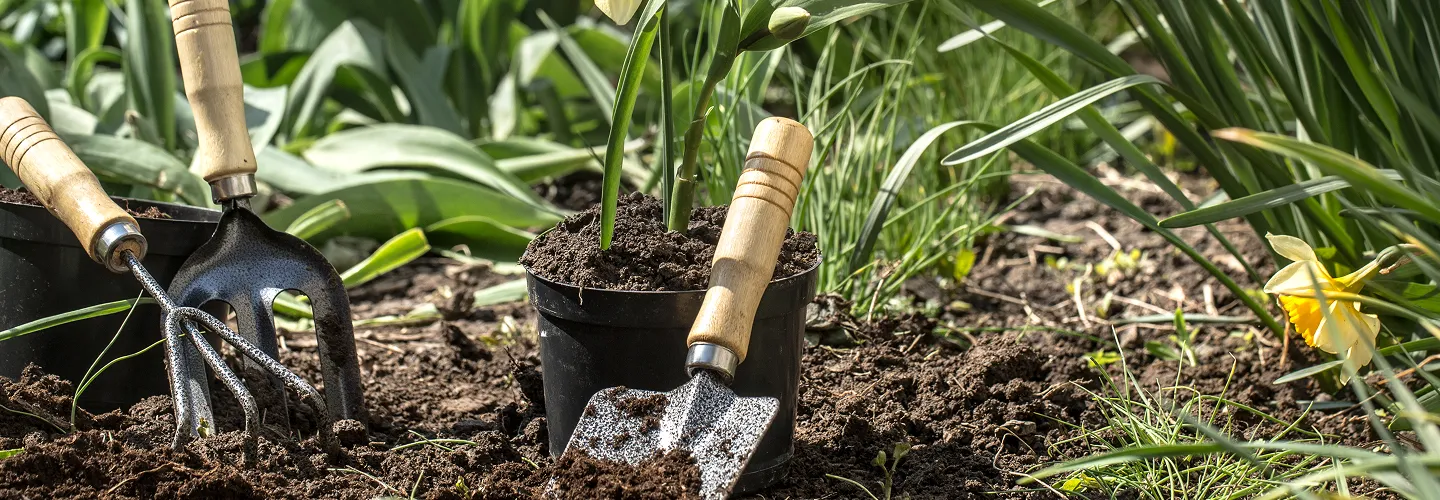
Bradenton Green Waste Disposal Services
Choose our Green Waste Disposal for reliable, environmentally responsible removal of your yard debris—helping you keep your property clean while supporting a greener community.
Get a Free QuoteOur Bradenton Landscaping & Yard Care Services
When to Schedule Green Waste Disposal in Bradenton, Florida – Seasonal Guide
In Bradenton, Florida, the timing of green waste disposal is closely tied to our unique subtropical climate and the rhythms of local landscapes. With mild winters and hot, humid summers, the optimal periods for scheduling green waste removal are typically late winter through early spring and again in late summer to early fall. These windows align with the end of the dormant season and the conclusion of the most vigorous growth periods, making it easier to manage yard debris before hurricane season or after heavy summer rains.
Local neighborhoods like Palma Sola and Riverwalk experience varying microclimates—proximity to the Manatee River can mean higher humidity and denser shade, while inland areas near Lakewood Ranch may face more drought stress and sandy soils. Understanding these differences is crucial for effective green waste management. For example, properties near Robinson Preserve often contend with salt-tolerant vegetation and shifting soil conditions, which can influence the volume and type of debris generated. For more information on local environmental guidelines, visit the Sudbury municipal site.
Local Factors to Consider for Green Waste Disposal in Bradenton
- Tree density and species (e.g., live oaks, palms, and pines)
- Soil type and drainage (sandy vs. loamy soils)
- Proximity to water bodies and flood zones
- Seasonal precipitation and hurricane risk
- Municipal collection schedules and restrictions
- Shade coverage and sun exposure
- Neighborhood-specific landscaping trends
Benefits of Green Waste Disposal in Bradenton
Eco-Friendly Landscaping Solutions
Efficient Yard Waste Removal
Promotes Healthy Plant Growth
Reduces Landfill Waste
Supports Local Sustainability
Convenient Scheduling Options
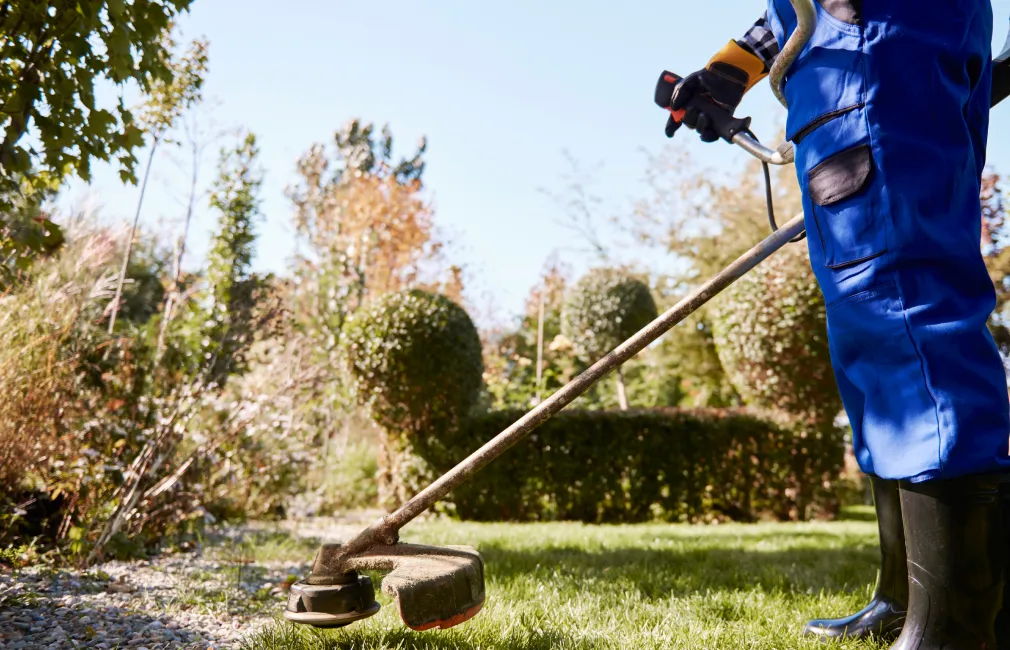
Bradenton Green Waste Disposal Types

Grass Clippings
-
Tree Branches
-
Shrub Trimmings
-
Leaves Collection
-
Palm Fronds
-
Garden Debris
-
Mulch Recycling
Our Green Waste Disposal Process
Collection of Green Waste
Sorting and Separation
Transport to Disposal Facility
Eco-Friendly Processing
Why Choose Bradenton Landscape Services
Bradenton Homeowners Trust Us
-
Expert Lawn Maintenance
-
Reliable Irrigation Solutions
-
Comprehensive Weed Control
-
Seasonal Clean-Up Services
-
Competitive Pricing
-
Professional and Courteous Team
-
Satisfaction Guarantee
Coordinating Green Waste Disposal with Bradenton’s Public Works and Stormwater Systems
Green waste disposal in Bradenton is managed through the city’s Public Works & Utilities Department, which oversees the collection and routing of yard debris, including leaves, branches, and grass clippings. Residents and property managers must ensure that green waste is properly separated from household trash and placed at the curb in accordance with city guidelines. Bundling or containerization requirements may apply, and debris should never be placed in a manner that blocks storm drains or swales, as this can impede drainage and contribute to localized flooding. For larger volumes or storm debris, the city may schedule special pickups or designate drop-off sites. It is essential to verify current collection schedules and preparation requirements directly with the department to avoid code violations and ensure efficient removal.
Bradenton FL Public Works & Utilities
101 12th Avenue West, Bradenton, FL 34205
Phone: 941-708-6300
Official Website: Bradenton FL Public Works & Utilities
How Bradenton’s Gulf Coast Climate and Soils Shape Green Waste Disposal
Bradenton’s Gulf Coast location brings a subtropical climate with high humidity, intense summer heat, and a pronounced wet season from June through September. These conditions accelerate plant growth and increase the volume of green waste, especially after heavy rainfall or tropical storms. The city’s soils are predominantly sandy or fill-based, which can lead to rapid drainage but also increase the risk of nutrient leaching and erosion if green waste is not managed properly. Many neighborhoods are adjacent to canals, swales, or retention ponds, making it critical to prevent organic debris from entering these water bodies. Key local factors include:
- High water table and frequent rainfall, increasing the need for timely debris removal
- Sandy soils that allow for quick runoff, requiring careful placement of waste to avoid wash-in
- Coastal exposure, which can introduce salt stress to vegetation and influence the composition of green waste
Regulatory Requirements and Environmental Compliance for Green Waste in Bradenton
Bradenton enforces municipal codes that prohibit the disposal of green waste in storm drains, canals, or public rights-of-way outside of designated collection periods. The city’s Code Enforcement Division monitors compliance and may issue citations for improper disposal or accumulation of yard debris. Additionally, Florida’s NPDES Stormwater Program requires municipalities to implement measures that prevent organic waste from contributing to stormwater pollution. Residents should be aware that green waste left in the open can contribute to nutrient runoff, impacting local water quality and potentially violating the Clean Water Act. For commercial properties or large-scale disposals, additional review or permitting may be required, and local thresholds should be confirmed through the permitting office.
Bradenton FL Code Enforcement
101 12th Avenue West, Bradenton, FL 34205
Phone: 941-932-9485
Official Website: Bradenton FL Code Enforcement
Professional Standards and Timing for Green Waste Disposal in Bradenton’s Climate
Effective green waste disposal in Bradenton requires attention to both timing and technique, especially given the city’s rapid vegetation growth during the wet season. Professional standards recommend:
- Scheduling major yard cleanups and green waste removal before the onset of the wet season to reduce stormwater blockage risk
- Keeping all green waste at least several feet away from storm drains, swales, and canal edges to prevent wash-in during heavy rain
- Using biodegradable bags or bundling branches as required by city guidelines
- Avoiding disposal of soil, rocks, or non-organic materials with green waste, as these are not accepted in standard yard debris collection
- Monitoring for seasonal debris surges after storms or hurricanes, when special collection procedures may be announced
For additional guidance on environmentally responsible disposal, consult UF/IFAS Gardening Solutions - Protecting Florida’s Water Resources and the EPA Stormwater Discharges from Municipal Sources.
What Neighborhoods Do We Serve Throughout Bradenton, FL?
- West Bradenton: Features mature landscaping and larger lots, often adjacent to canals and retention ponds, requiring careful debris placement to protect water quality.
- Downtown Bradenton: Urban core with smaller lots and limited frontage, where access and curbside collection logistics are especially important.
- River District: Waterfront properties with high irrigation intensity and proximity to the Manatee River, making stormwater protection a priority.
- East Bradenton: Newer subdivisions with fill-based soils and engineered drainage systems, where green waste must be kept clear of swales and inlets.
- South Bradenton: Mix of older and newer homes, with varying shade exposure and frequent use of irrigation, influencing the volume and type of green waste generated.
- Palma Sola: Coastal neighborhood with salt-tolerant plantings and unique disposal needs due to proximity to tidal waters and sensitive habitats.